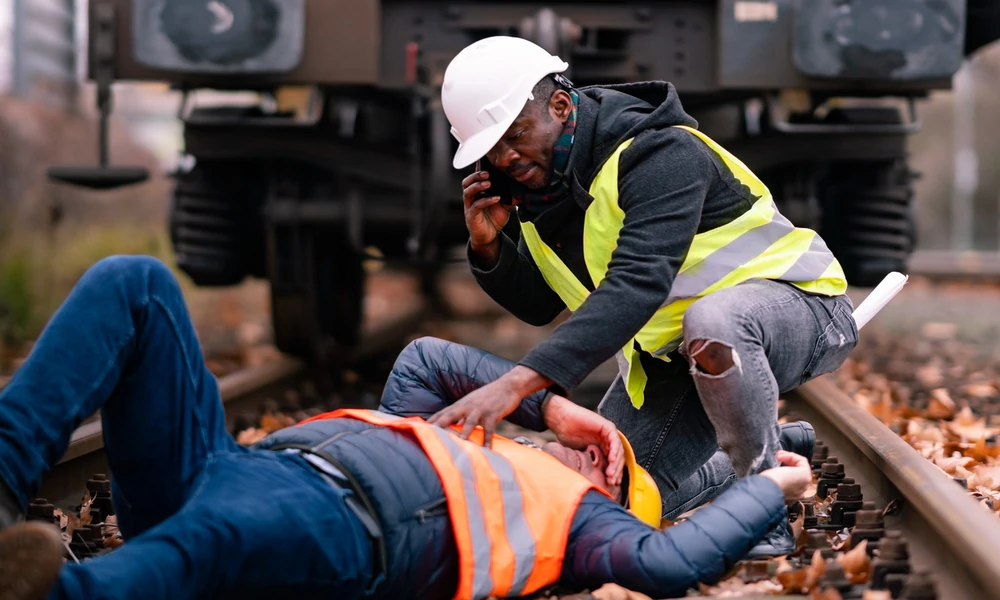
The Gold Coast is a place where traffic, tourists, and pedestrians constantly mix. Busy intersections, beachside crossings, theme park precincts, and the motorway all create opportunities for collisions. When a crash happens, the physical and emotional impact can be significant, and many people are left wondering what to do next. Some choose to speak with the Best Gold Coast car accident lawyers to understand their rights. This article provides a plain-language overview of injury claims after car crashes and pedestrian accidents in Queensland.
Why Crashes Are Common in Busy Tourist Areas
High traffic volumes, unfamiliar drivers, crowded footpaths, and nightlife precincts all increase risk. Drivers who do not know the area may brake suddenly, change lanes unexpectedly, or miss pedestrians stepping onto the road. Wet weather, glare, and heavy holiday traffic add further hazards. Understanding these conditions can help explain how crashes happen and why careful evidence gathering is so important.
Immediate Steps After a Collision
Your health and safety come first. Call emergency services if anyone is hurt, move to a safe place, and exchange details with the other driver. Collect witness contact information, and photograph the scene, vehicles, and injuries. Report the crash to police where required, and avoid arguing about fault at the scene. See a doctor soon, even if you feel well, since some injuries appear later.
How CTP Insurance Applies
Registered vehicles in Queensland carry compulsory third party insurance, which provides cover for people injured because of the fault of a driver. A claim usually involves giving notice, completing forms, providing medical evidence, and attending assessments. Early notification requirements can be strict, so it is wise to find out which steps and deadlines apply as soon as possible.
Types of Injuries Seen After Car Crashes
Car crashes can cause a wide range of injuries, including:
- Whiplash and soft tissue injuries
- Fractures and joint injuries
- Head injuries and concussion
- Back and spinal injuries
- Psychological effects such as anxiety and flashbacks
Always mention every symptom to your doctor, since early records help link your condition to the crash.
Pedestrian Accidents
Pedestrians have no protection when struck by a vehicle, so injuries are often severe, ranging from fractures and head trauma to spinal injuries. Crashes can happen at crossings, in car parks, near bus stops, or on residential streets. Because of the seriousness of the injuries and questions about visibility, speed, and right of way, many people look for a specialist pedestrian accident lawyer to explain their options and the evidence that may be needed.
Evidence in Pedestrian Cases
Evidence can include police reports, witness statements, dashcam or security footage, photographs of the crossing or roadway, and details about signage and lighting. Medical records are equally important, because they document injuries and treatment. Footage can be overwritten quickly, so ask promptly whether nearby businesses or buildings have cameras covering the area.
When Fault Is Shared
Sometimes more than one person contributes to a crash. A pedestrian may have crossed outside a crossing, or a driver may have been travelling too fast. Shared responsibility can reduce the amount of compensation, but it does not necessarily prevent a claim. Honest accounts and good evidence matter whatever your role in the incident.
What Compensation May Include
Depending on the circumstances, a claim may address medical and rehabilitation expenses, loss of income, reduced earning capacity, care and assistance, and the effect of the injury on your quality of life. Legislation often sets rules for how particular amounts are assessed, so each case is different.
Time Limits to Keep in Mind
The general limitation period for personal injury claims in Queensland is three years from the date of injury. Motor vehicle claims also involve early notification requirements that can be much shorter. If you are unsure which deadlines apply, seek information early. Missing a time limit can seriously affect your options.
Dealing with Insurers
Insurers will often contact you soon after a crash. It is reasonable to cooperate, but take care with recorded statements and documents you do not fully understand. Provide accurate facts, avoid guessing, and keep copies of everything. Think carefully about early settlement offers, because injuries and costs can change over time.
Recovery and Wellbeing
Healing from a serious crash can take months or longer. Follow your treatment plan, attend rehabilitation, and tell your doctor if you feel anxious, low, or fearful about driving or walking near traffic. Support from family and friends is valuable, and counselling can help with the emotional impact.
Passengers and Rideshare Users
Passengers injured in a crash may have rights too, including those travelling in taxis, rideshare vehicles, or with friends and family. A passenger can often claim against the driver who caused the crash, even if that driver is someone they know. If you were a passenger, record who was driving, the vehicles involved, and the trip details, and keep copies of any rideshare receipts or messages.
Tourists Injured on the Coast
Visitors injured in a crash face extra hurdles, such as managing treatment away from home and returning before a claim is finished. If this applies to you, keep copies of all medical records, receipts, and travel documents, and note the names of anyone who assisted. Time limits apply regardless of where you live, so make enquiries early.
Keeping Your Claim Organised
Create a single folder for all documents, including medical reports, receipts, photographs, and letters. Record dates and details of phone calls, and update your notes after each appointment. If your circumstances change, tell your doctors and insurer in writing. Good organisation reduces stress and helps you respond to requests quickly and accurately.
Choosing Safer Habits on Busy Roads
Whether you drive or walk, small habits reduce risk. Drivers can slow down near crossings, allow extra distance in wet weather, and avoid distractions. Pedestrians can use marked crossings, wear bright clothing at night, and make eye contact with drivers before stepping out. Visitors should take extra care because roads and traffic patterns may be unfamiliar. These choices cannot prevent every crash, but they make serious injuries less likely.
Why Early Advice Helps
Many people wait weeks or months before asking about their options, often because they are focused on recovery. Early information can help you understand deadlines, avoid common mistakes, and preserve evidence that might otherwise be lost. Even a short conversation can clarify which pathway applies, what to collect, and what to avoid saying or signing in the meantime.
Final Thoughts
After a car crash or pedestrian accident, the most useful steps are to seek medical care, preserve evidence, learn about deadlines, and ask questions. This article offers general information only and is not legal advice, so consider speaking with a qualified lawyer about your circumstances.