

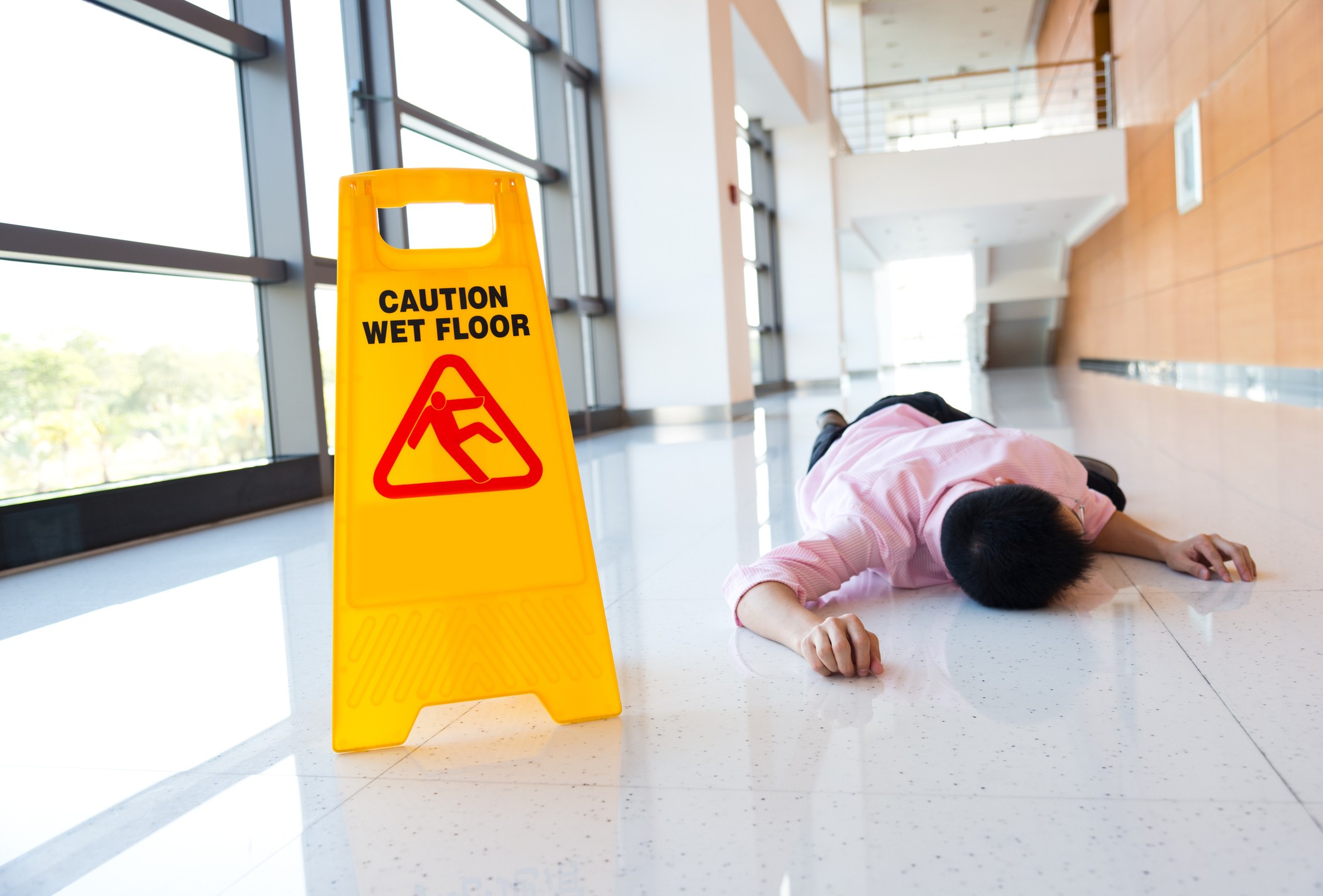
Slip and fall accidents inside Florida’s commercial properties are often treated as isolated mishaps, yet they occur far more frequently than most businesses acknowledge. These incidents are not only painful for victims but also costly for property owners who fail to implement proper safety measures. Florida law requires commercial properties to maintain reasonably safe conditions for visitors, and when they fail to do so, the consequences can be severe. Firms such as Chalik and Chalik, which represent injured individuals exclusively, understand the importance of prevention and how the absence of basic safety practices often leads to unnecessary harm.
Creating a safe environment requires consistent and proactive attention, particularly in a state like Florida where weather, foot traffic, and architectural design all contribute to elevated slip and fall risks. Rainwater tracked in from parking lots, humidity forming condensation on tile floors, or spills in high-traffic areas can appear suddenly. Without a comprehensive prevention strategy, these hazards multiply throughout the day. Responsible business owners know that safety is not a one-time task but an ongoing obligation that must be woven into daily operations.
Flooring choices are one of the most overlooked elements of slip and fall prevention. Many Florida commercial properties use polished tiles, decorative stone surfaces, or glossy finishes to create a modern aesthetic. Unfortunately, these materials become dangerously slippery with even minimal moisture. Property owners who choose visually appealing surfaces without adding slip-resistant coatings, adequate mats, or textured alternatives increase the likelihood of accidents. In environments where recurring spill hazards are common, such as grocery stores, restaurants, and retail aisles, courts often examine whether the flooring itself contributed to the fall. Discussions related to Publix slip and fall cases illustrate how flooring materials and maintenance practices frequently become central issues.
Another crucial aspect of prevention involves foot traffic management. Busy commercial environments, especially large retail stores or shopping centers, routinely experience crowded conditions. When shelves are stocked improperly, merchandise is left on the floor, or displays extend into walkways, visitors face unexpected tripping hazards. Property owners must anticipate these dangers by conducting routine inspections, training employees to identify risks quickly, and addressing clutter as soon as it appears. Florida law does not excuse negligence simply because a business is busy; in fact, high traffic should encourage more diligent safety procedures, not fewer.
Lighting also plays a significant role in preventing slip and fall injuries. Poor visibility can make wet spots, uneven surfaces, or debris nearly impossible to detect, particularly in dim hallways or transitioning areas between indoor and outdoor spaces. Florida’s bright sunlight can also produce glare on polished floors, making hazards difficult to distinguish. Businesses must ensure that lighting is consistent, strategically placed, and adequate to reveal potential risks. Failing to address lighting issues often comes to light during legal investigations, especially when the visibility of the hazard is disputed.
Proper signage remains one of the most effective yet frequently misused safety tools. Warning signs must be visible, positioned correctly, and placed immediately when a spill or maintenance issue arises. Signs set too far from the hazard, hidden behind merchandise, or placed after a fall occurs do little to protect visitors. Florida courts often consider the adequacy of warning signs when determining liability, especially in cases involving slippery surfaces or ongoing cleaning activities. Businesses cannot rely on signs alone, however; warnings do not absolve them from the obligation to remove the hazard as quickly as possible.
One of the most revealing indicators of a business’s commitment to safety is the consistency of its inspection procedures. Commercial properties are expected to perform routine checks of aisles, entrances, restrooms, and other high-risk areas. These inspections must occur frequently, especially in locations known for recurring hazards. Businesses with strong safety cultures document these inspections carefully, while those with poor practices often rely on vague statements or incomplete logs. Patterns discussed in Walmart slip and fall litigation demonstrate how inconsistent inspection procedures frequently undermine property owners’ defenses.
Effective training is another essential preventive measure. Employees are the first line of defense against hazards, and their awareness, responsiveness, and judgment directly influence safety outcomes. Proper training includes teaching staff how to recognize hazards, how to document incidents, and how to respond promptly and appropriately. Employees who do not understand their role in preventing accidents may unintentionally leave dangerous conditions unaddressed, putting visitors at risk. Businesses that invest in thorough training programs significantly reduce the likelihood of injuries.
Despite these preventive measures, slip and fall accidents continue to occur in Florida’s commercial properties—often because property owners overlook small but impactful details. When prevention fails, victims face the difficult task of proving that the hazardous condition was foreseeable and preventable. This is why prevention matters so deeply: not only does it protect visitors, but it also demonstrates whether a business took reasonable steps to meet its legal obligations. When those obligations are ignored, property owners may be held responsible for the injuries that result.
Ultimately, preventing slip and fall injuries is not complicated—it simply requires attention, consistency, and willingness to prioritize visitor safety. For injured individuals, understanding these preventive failures helps them recognize when negligence occurred and why they may have the right to pursue compensation. Through dedicated advocacy, Chalik and Chalik help victims navigate the aftermath of preventable falls, ensuring that property owners are held accountable when they fail to protect the people who trust their premises to be safe.


